No. Pluto is not the only dwarf planet in our solar system. Astronomers currently recognize five official dwarf planets.
A dwarf planet is a celestial body that orbits the Sun and is massive enough for its gravity to make it nearly round, but unlike a full planet it has not cleared other objects from its orbital path. The classification was defined in 2006 by the International Astronomical Union when astronomers updated the definition of a planet. Known dwarf planets in our solar system include Pluto, Ceres, Haumea, Makemake, and Eris. Most dwarf planets are found far beyond the orbit of Neptune in a region called the Kuiper Belt, which contains many icy bodies left over from the formation of the solar system. Scientists believe that many more dwarf planets likely exist, making them an important key to understanding the early history and structure of our planetary system.
Official Dwarf Planets (Recognized by the International Astronomical Union)
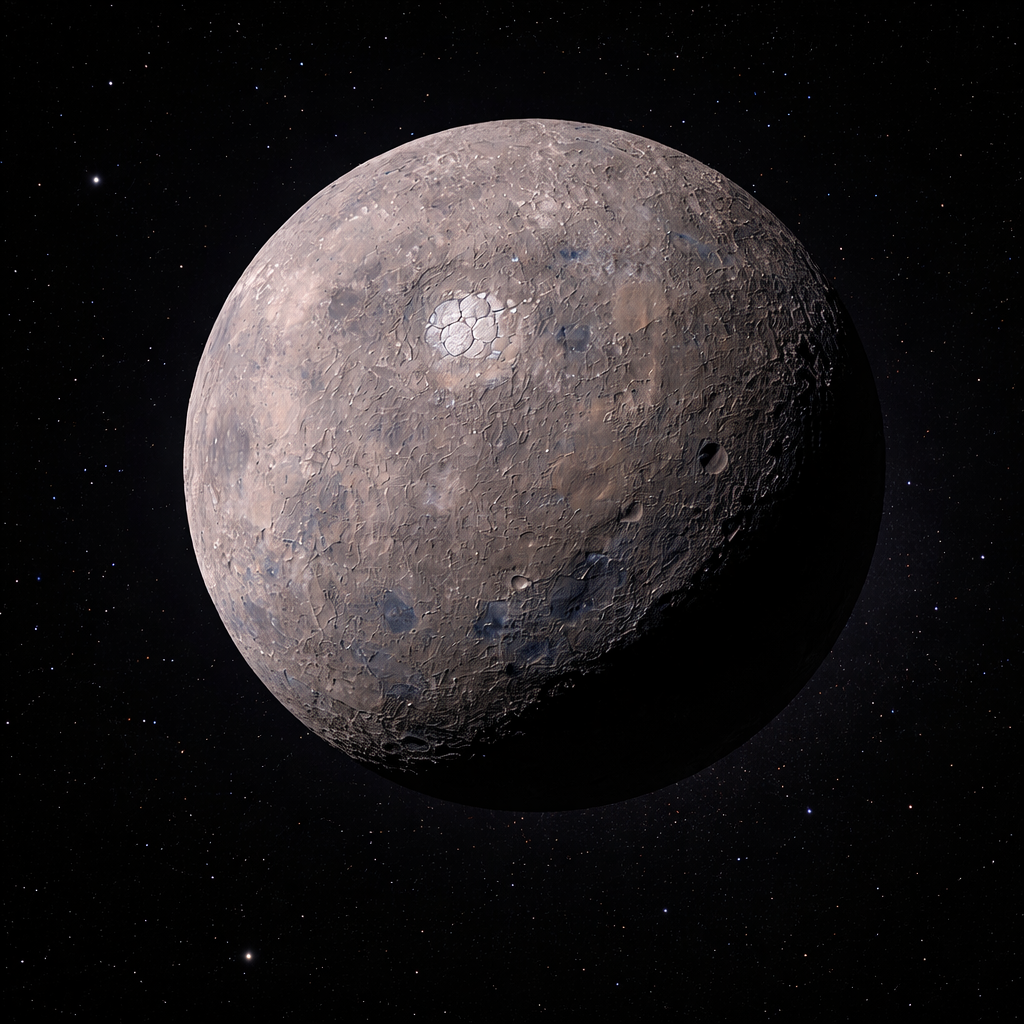
Ceres
Location: Asteroid Belt
Unique because it lies inside the inner solar system.
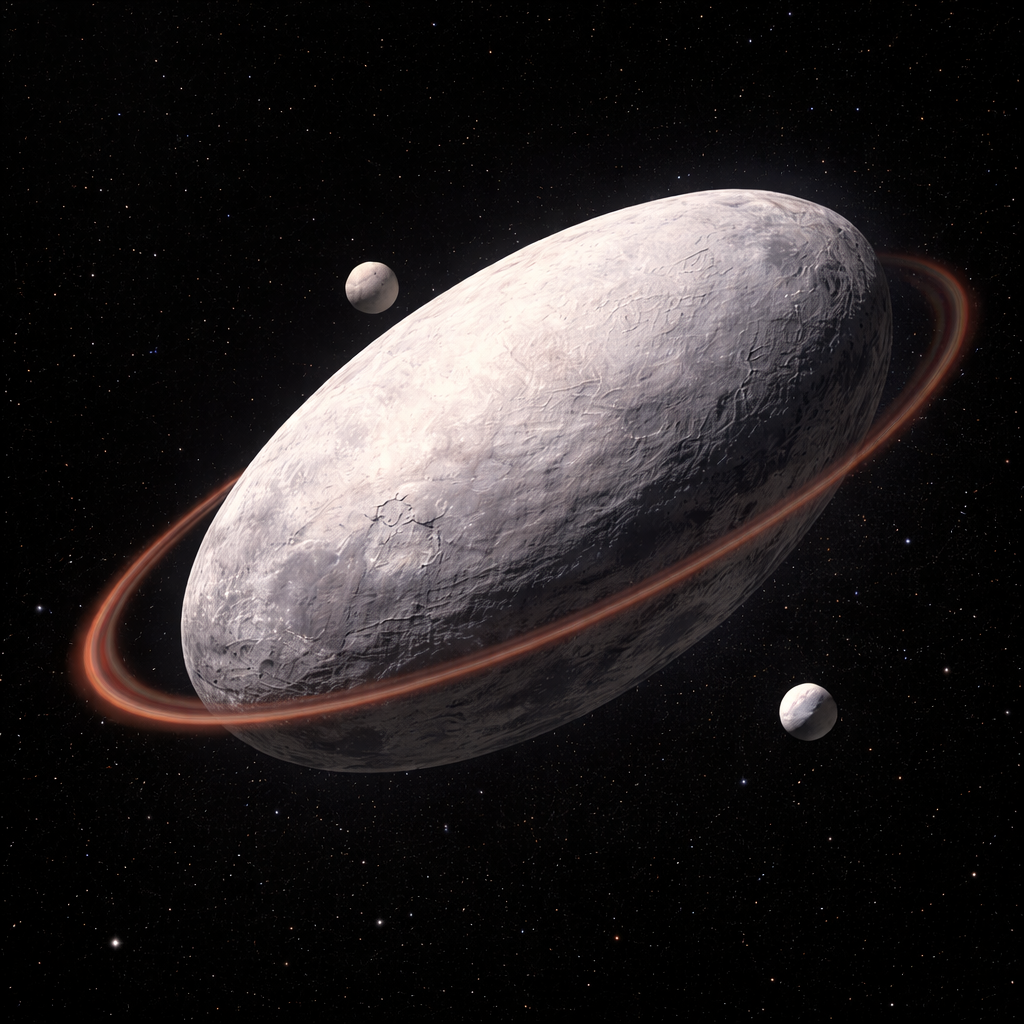
Haumea
Football-shaped due to extremely fast rotation.
Has a ring and two moons.
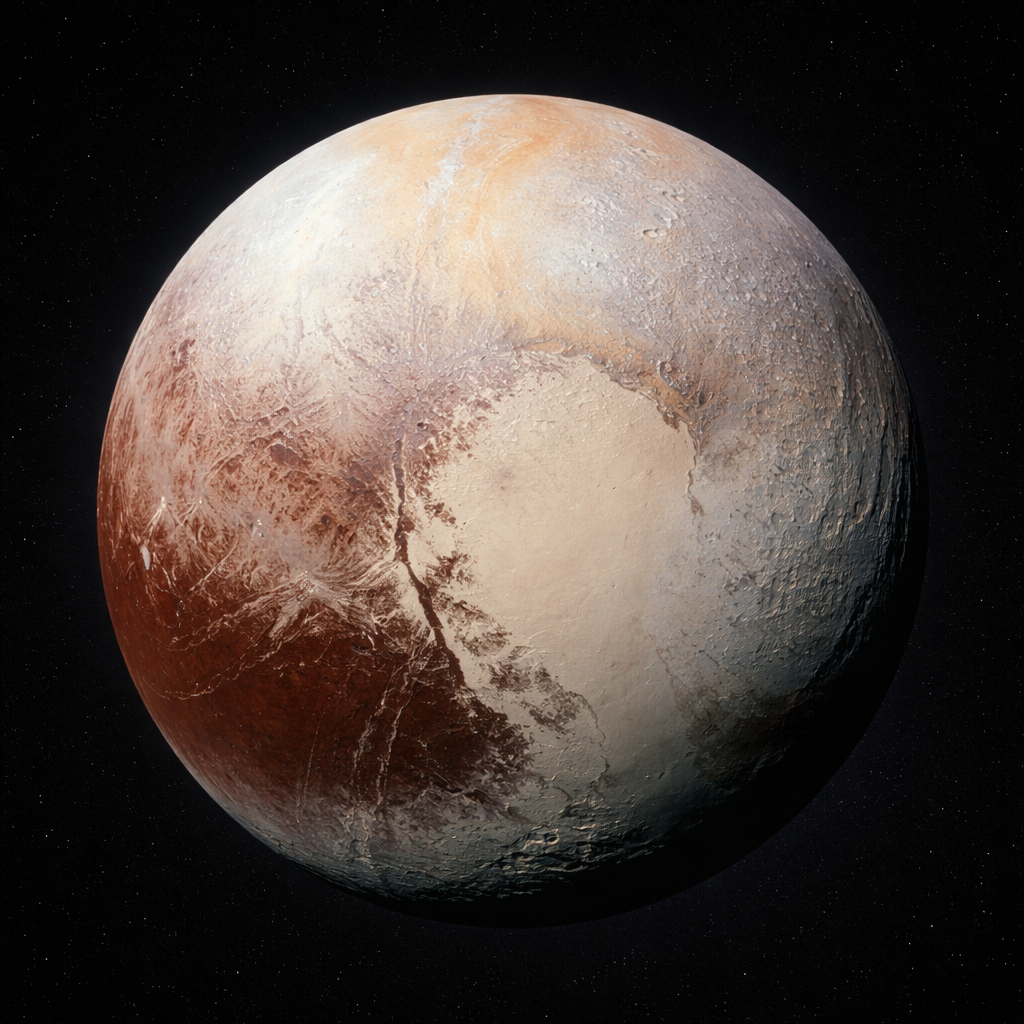
Pluto
Located in the Kuiper Belt
Reclassified from planet to dwarf planet in 2006.
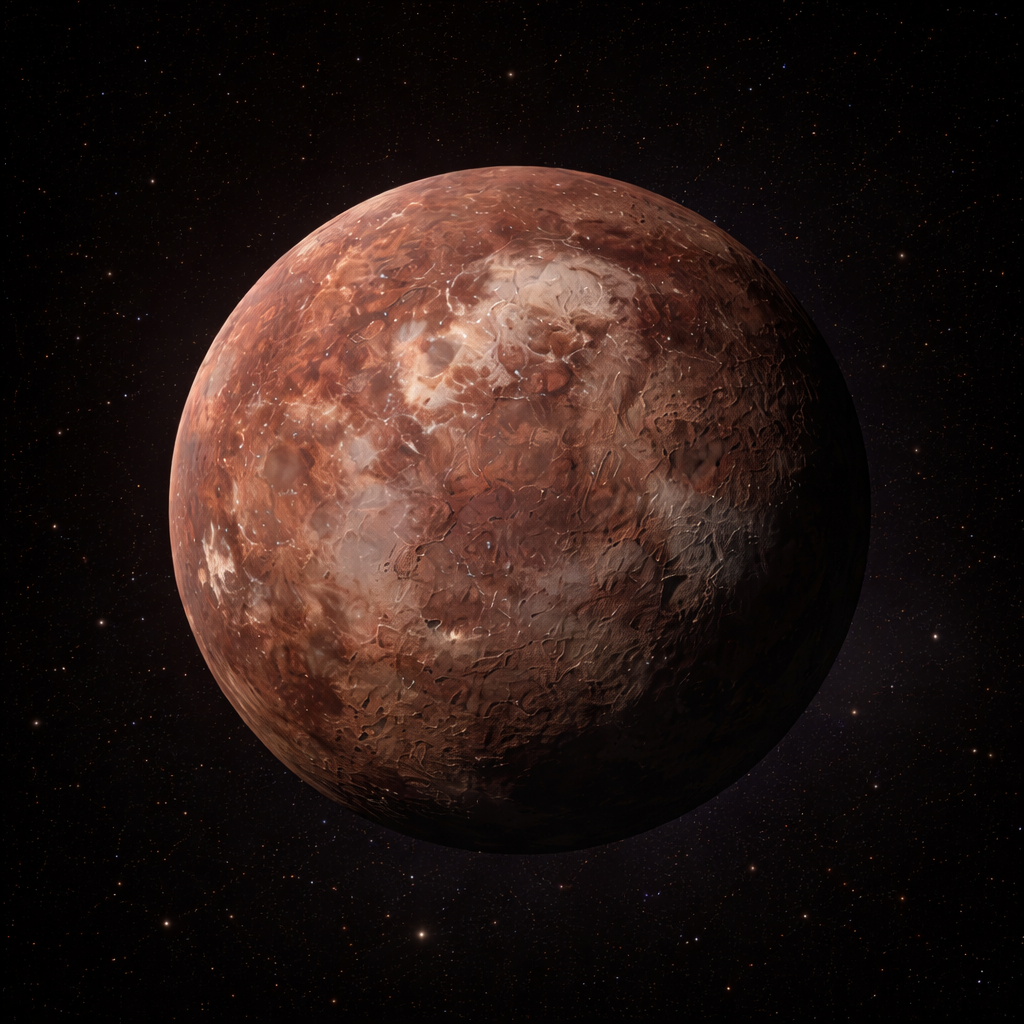
Makemake
One of the brightest objects in the Kuiper Belt.
Discovered in 2005.
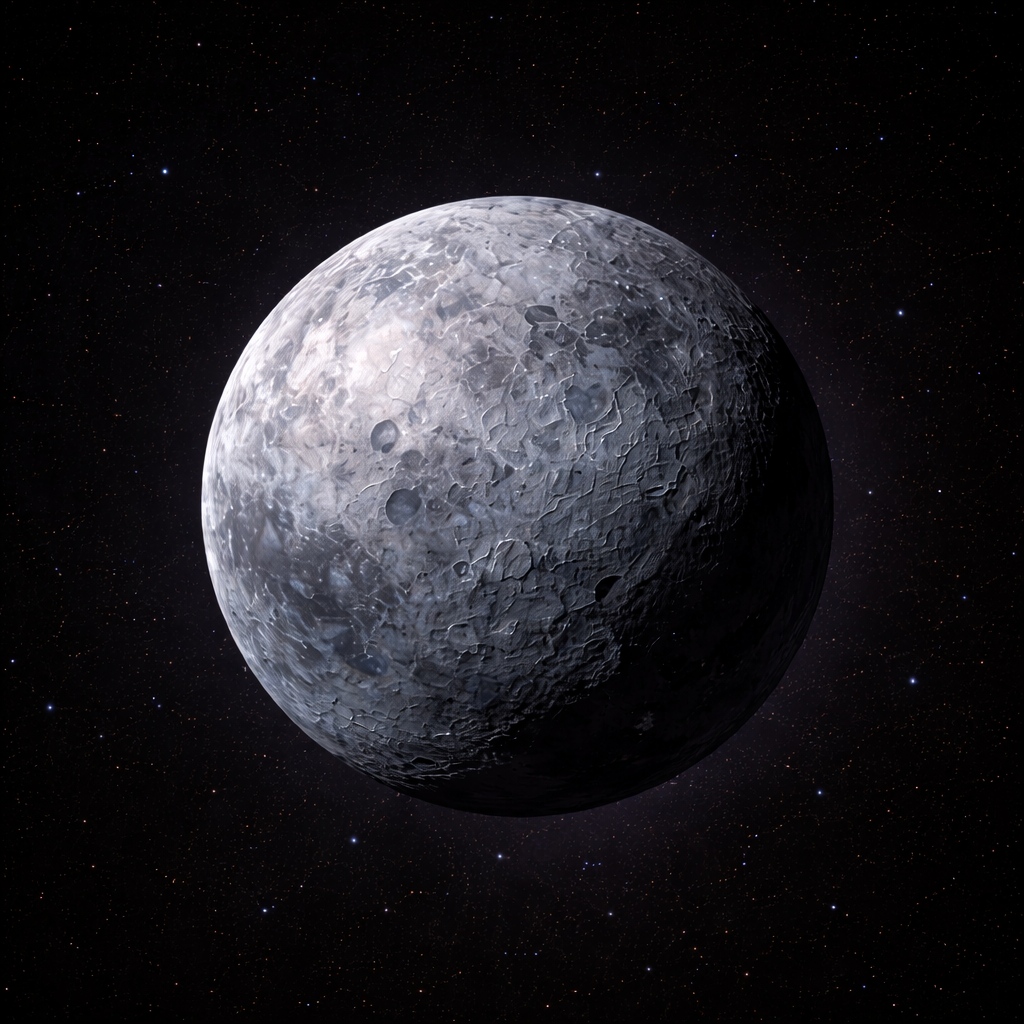
Eris
Slightly more massive than Pluto.
Its discovery helped trigger the redefinition of “planet.”
Why Pluto Isn’t a Full Planet
The IAU defines a planet as an object that:
Orbits the Sun
Is round due to gravity
Cleared its orbital neighborhood
Pluto meets the first two criteria but has not cleared nearby objects in its orbit, which is why it’s classified as a dwarf planet.
Interesting Fact
Astronomers think there could be dozens to hundreds of dwarf planets in the Kuiper Belt and beyond that haven’t been officially confirmed yet